The best sensory gifts for autistic kids match how that particular child takes in the world. Some kids seek input. They crash, spin, squeeze and chew. Others avoid it and need less noise, softer light and fewer surprises. Many do both. Raising my kids on my own and caring for my dad, I’ve learned to watch first and shop second. Below are researched, caregiver-reviewed ideas sorted by sensory need, for the holidays or any birthday. You can browse every pick we cover in our collection.
This post contains Amazon affiliate links, so I may earn a small commission at no extra cost to you.
How to Pick a Sensory Gift (Quick Checklist)
Run through these before you add any sensory gifts for autistic kids to your cart. They take two minutes and save a lot of returns.
- Seeker or avoider? A child who loves big movement and squeezes may enjoy a swing. A child who covers their ears may prefer earmuffs or a quiet fidget.
- Age and small parts. Check the age label every time, especially for younger siblings in the house.
- Does the child still mouth things? If yes, skip small or squishy items and look at chew-safe options.
- How loud is the toy itself? Some fidgets click, pop or crinkle. That can be soothing for one child and too much for another.
- Space at home. A balance board or swing needs room and, for the swing, a safe hanging point.
- Ask the parent or the child’s OT. A quick text to the parent is the best gift research there is. For weighted items, the OT should weigh in.
The National Autistic Society’s guide to sensory differences is a helpful read if you want to understand over- and under-sensitivity a bit better.
Calming Gifts with Deep Pressure
Many autistic kids find gentle, steady pressure comforting, a bit like a long hug. Weighted items are not right for every child, though, so check with the child’s OT before buying anything weighted.
HUGIMALS Ollie the Orangutan Weighted Neck & Shoulder Wrap (2.5 lb)
This one looks like a cuddly plush, which makes it feel less like a “tool” and more like a friend. It drapes over the shoulders for a calm, hug-like weight during reading, car rides or quiet time.
Good for: a calm, hug-like weight during quiet time.
Think twice if: the child dislikes weight on the neck. Follow the age and heating instructions on the label.
Check Ollie Weighted Wrap on Amazon
Weighted Lap Pad for Kids (2 lb)
A lap pad is a lighter, more portable way to try gentle pressure. It rests on the legs during homework, meals or circle time and can help some children stay seated a little longer.
Good for: settling at a table with gentle weight.
Think twice if: the child keeps pushing it off. Check the weight guidance for the child’s age and size.
Check Weighted Lap Pad on Amazon
If you’re putting together a whole calm corner, our guide on how to create a calming sensory room for ADHD and autism walks through it step by step.
Gifts for Kids Sensitive to Noise
Holiday season is loud: parties, school concerts, malls, fireworks. For a child who hears everything at full volume, a noise gift can make outings feel more doable.

Kids Noise-Cancelling Earmuffs (NRR 24 dB)
Earmuffs are one of the most practical sensory toys for autism. Many kids find that softening the sound around them helps them stay in places they’d otherwise want to leave.
Good for: loud events, haircuts, crowded places, holiday fireworks.
Think twice if: the child needs to hear traffic or alarms. These reduce noise, they don’t block it.
Color Noise Sound Machine (25 Sounds, Night Light)
Sometimes the answer to noise is a different kind of noise. A steady hum, rain or fan sound can cover up a barking dog or a sibling’s late-night TV.
Good for: steady background sound at bedtime or in a busy house.
Think twice if: sound doesn’t help the child sleep.
Fidgets and Busy Hands (Great Stocking Stuffers)
Fidgets are small, affordable and easy to wrap, which is why they show up on every list of Christmas gifts for autistic kids. The trick is matching the fidget to the child. For school-friendly picks, see our classroom sensory tools guide and the classroom learning aids shelf.
Learning Resources Sensory Fidget Tubes (Set of 3)
These are sealed tubes filled with slow-moving beads and liquid. Kids can hold, tilt and simply watch them, which some children find settling when a moment feels too loud.
Good for: quiet watching and holding when a moment feels loud.
Think twice if: the child throws or shakes things hard. Check the age label.
Quiet Squishy Fidget Toys (26 Pack)
A big pack of soft, silent squishies is easy to split up. They’re a budget-friendly way to find out which textures and shapes a child actually likes.
Good for: quiet fidgets for waiting and travel. Easy to split into stocking stuffers.
Think twice if: the child still mouths objects.
Check Squishy Fidgets on Amazon
Nutty Toys Pop Tubes (8 Pack)
Tested by me, and honestly one of our favorites. We have these at home, and they’ve ended up everywhere: the car, my purse, under the couch. They stretch, bend and click together into shapes, so busy hands always have something to do. One real-life note: the ridges make a little zipping sound when stretched.
Good for: a stretchy, bendy fidget for hands that need to move.
Think twice if: the ridged sound bothers someone.
Exorany Busy Board (8 Pages, Montessori)
Also tested by me. We have this busy board at home, and what I like is that it turns everyday skills into one calm activity. Zippers, buttons, buckles and latches are all in one place. We started with a single page at a time, which kept it fun instead of frustrating.
Good for: practicing zippers, buttons and latches in one quiet activity.
Think twice if: the child gets frustrated easily. Start with one page.
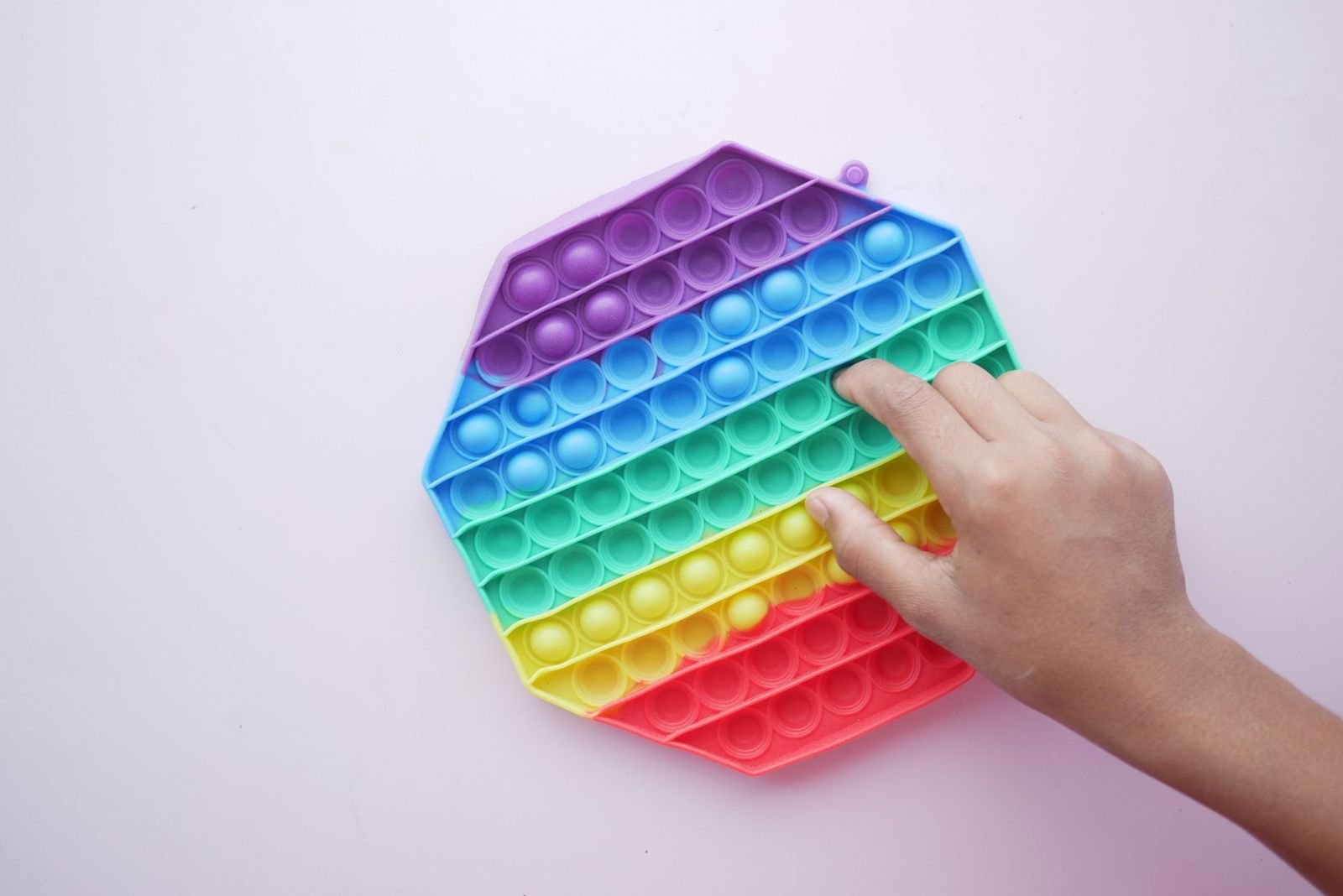
Fidget Poppers Pack (50 Pieces)
Tested by me, in the most practical way: we’ve used this pack for gift bags and a class party. They’re fun and colorful, but think of them as party favors rather than tools that will last for years.
Good for: a budget pack for gift bags or a class party.
Think twice if: you want long-lasting tools.
Check Fidget Poppers on Amazon
Soothing Lights for Wind-Down Time
Light can help set the mood for bedtime. Soft, slow light suits many kids with autism. Bright or fast-changing light can do the opposite, so look for dimmers and timers.
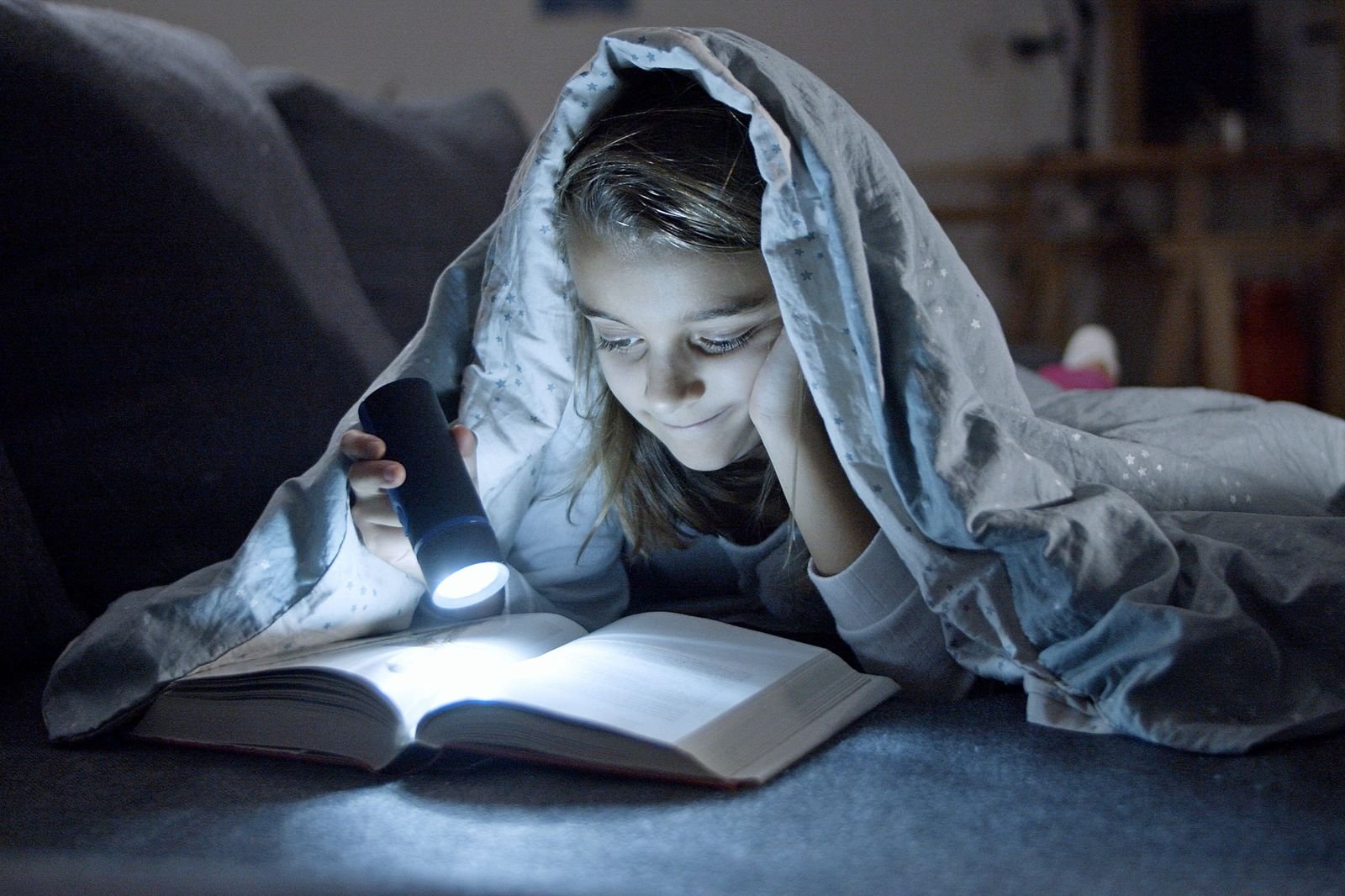
Galaxy Projector Night Light (18 Colors)
This turns a bedroom ceiling into a slow-moving sky. Many families use it as part of a wind-down routine: pajamas, story, stars.
Good for: a calming light show for wind-down.
Think twice if: moving lights keep the child awake. Use the timer.
Check Galaxy Projector on Amazon
Lava Original Glimmer Lamp
Slow, swirling glitter is mesmerizing to watch, and some older kids and teens find it a nice way to unwind after school. It’s a good fit for a tween’s desk or shelf rather than a little one’s room.
Good for: watching slow glitter to unwind. Better for older kids.
Think twice if: young children could reach it. It gets warm and has glass.
Touch and Texture Play
Touch is where kids differ the most. One child wants to run their hands through every texture. Another can’t stand certain fabrics. These gifts for kids with sensory processing issues let the child explore at their own pace.
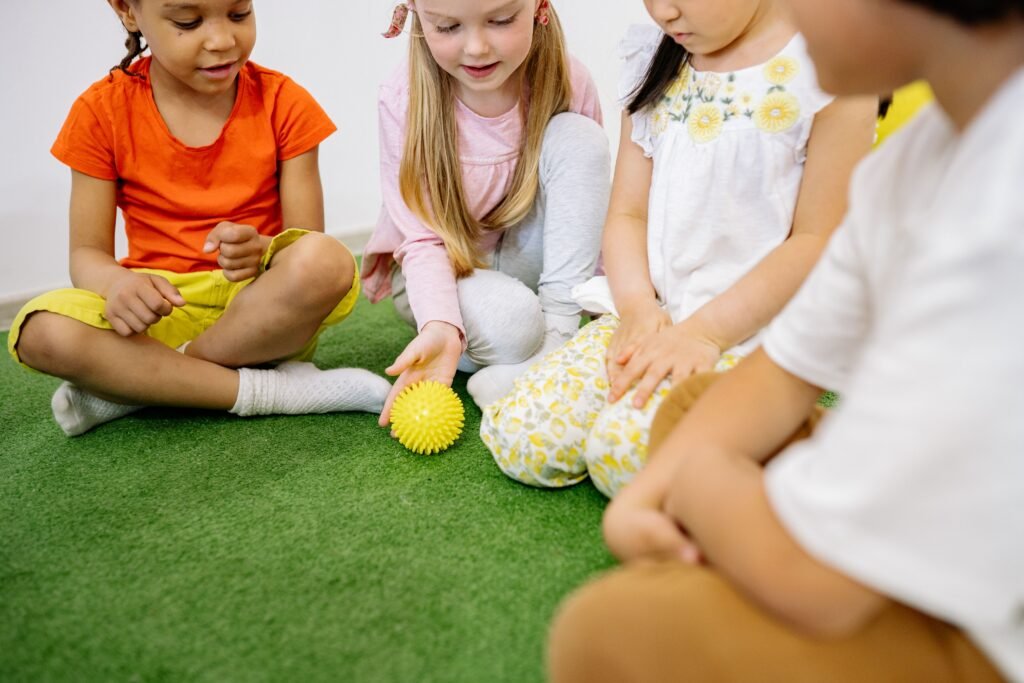
TEYTOY Textured Sensory Bean Bags (12 Shapes)
Each bean bag has a different shape and texture, so they work for touch play, matching games and tossing. They’re also nice for fine-motor practice, like picking up and sorting.
Good for: touch play and fine-motor games.
Think twice if: the child still mouths objects.
Check Sensory Bean Bags on Amazon
Silicone Sensory Mats (8 Tiles)
These textured tiles can sit on the floor for little feet or on a table for hands. Since they’re silicone, they wipe clean, which every parent appreciates.
Good for: pressing or stepping on textures.
Think twice if: the child dislikes these textures.
Bigger Gifts for Kids Who Need to Move
For sensory seekers, movement is often what helps them feel settled. More ideas are in our guide to sensory toys for movement.
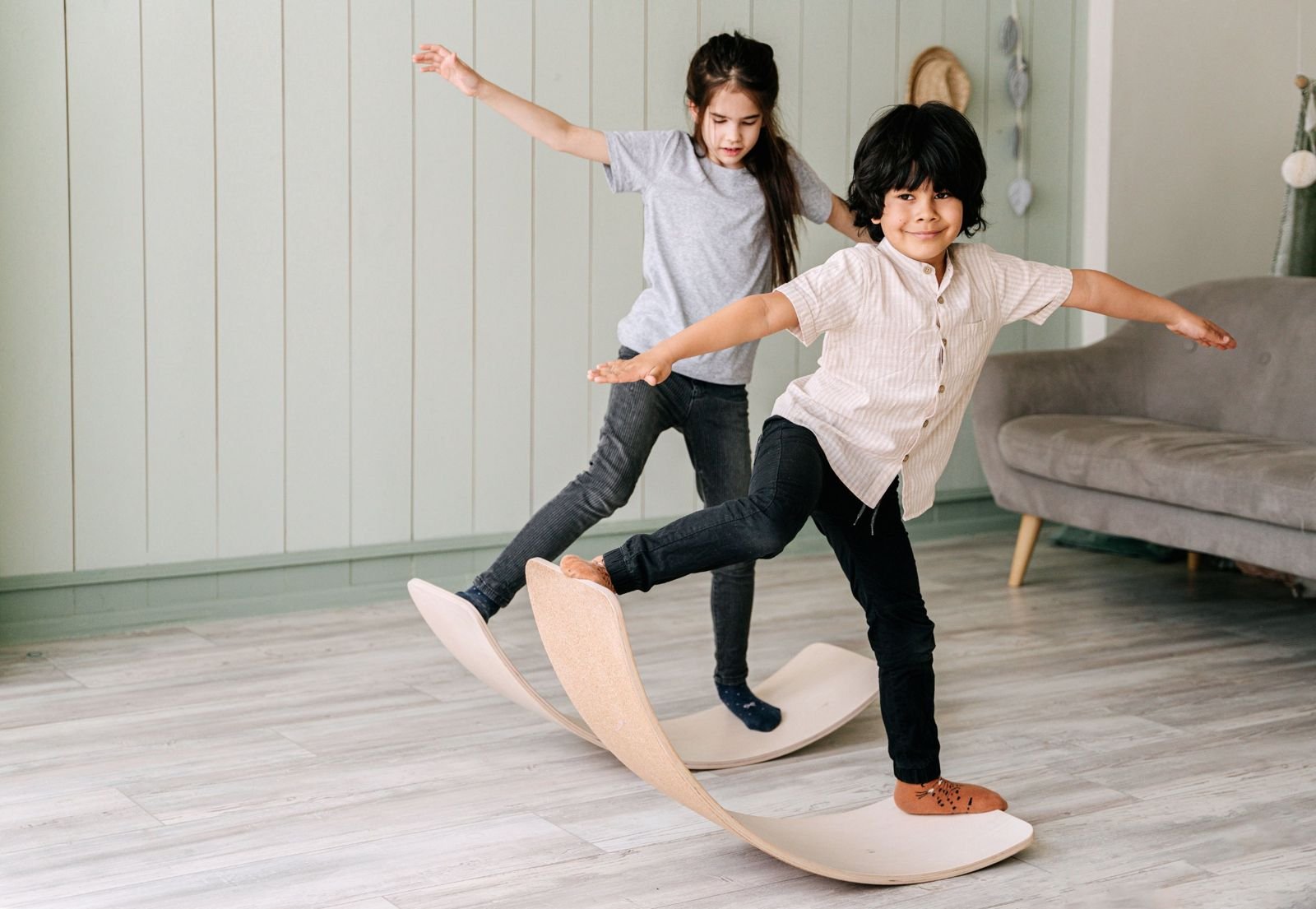
Joonly Rocking Seesaw Balance Board
A curved balance board is simple, but kids find a lot of uses for it: rocking, balancing, a bridge, a tunnel. It brings active play indoors on cold or rainy days.
Good for: balance and active play indoors in winter.
Think twice if: space is tight. Always supervise.
Compression Sensory Swing (300 lb Capacity)
This stretchy pod swing wraps around the child while they swing, giving a cozy squeeze along with the motion. If hanging something isn’t possible, a Zhenx Sensory Spinning Chair is a floor-based alternative for kids who love to spin.
Good for: cozy squeezing pressure while swinging.
Think twice if: you don’t have a safe hanging point. It needs a properly rated mount.
For Kids Who Chew
If a child chews shirt collars, sleeves or pencils, they may be looking for oral input. A chew tool gives them something meant for chewing instead.
Silicone Chew Necklaces (5 Pack)
They’re made for kids who chew collars or sleeves, and many families find them easier than replacing shirts. The FDA has warned that necklaces and jewelry used for teething or chewing, including for sensory needs, can cause choking and strangulation, as AAP News reported. Talk to the child’s OT first, and use these only with supervision.
Good for: kids who chew collars or sleeves.
Think twice if: the child bites very hard or would wear it unsupervised. Not for babies or for sleep. Check for wear and tears often and replace when damaged.
Check Chew Necklaces on Amazon
An Inclusive Pick for Blind or Low-Vision Kids
Some autistic children are also blind or have low vision, and a gift for an autistic child should work for the senses they rely on most. It’s a small example of why accessibility is about equity, not equality.
Fat Brain Toys Dimpl Digits (Bilingual, with Braille)
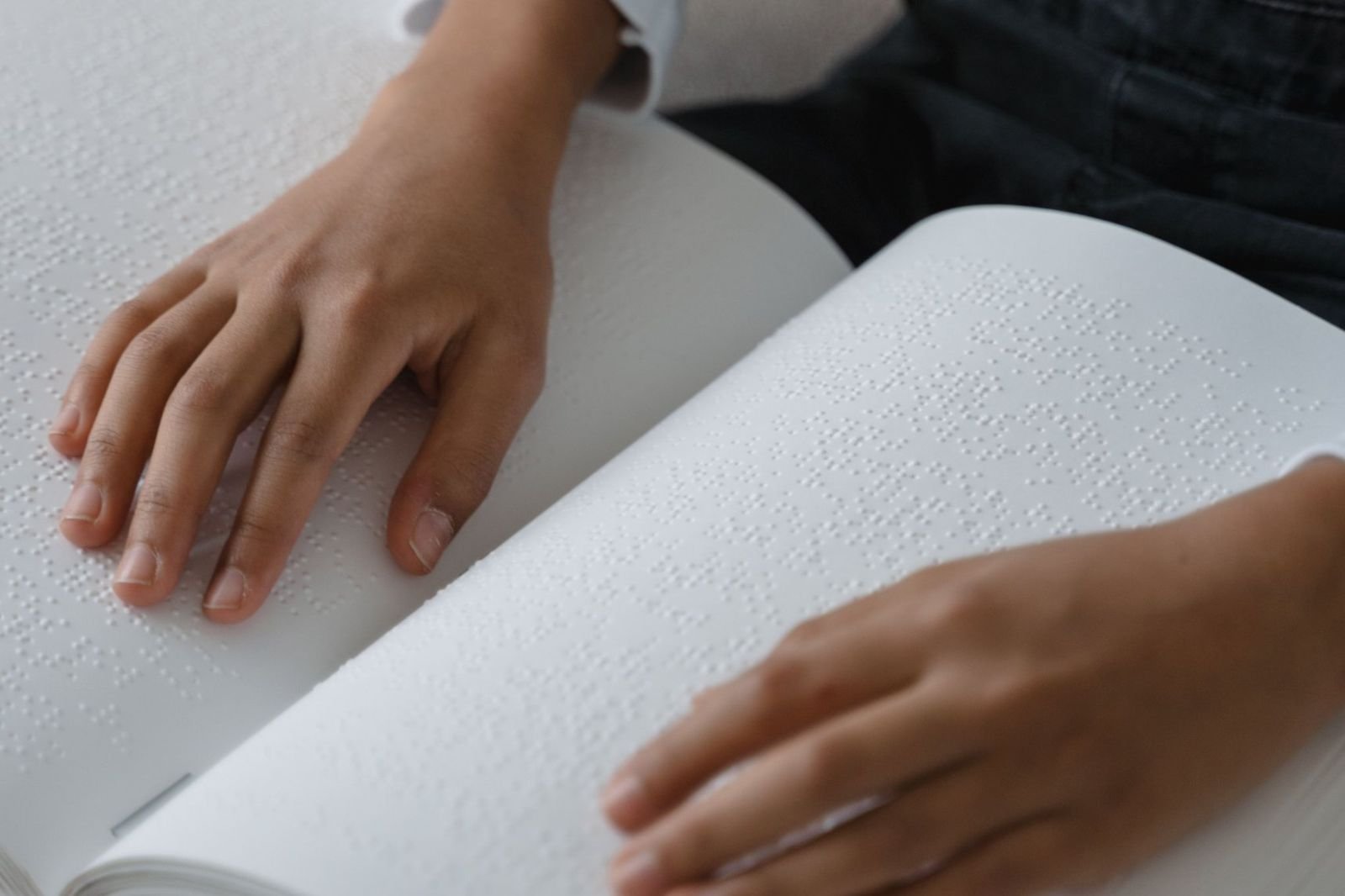
Each silicone bubble has a number in print and in braille, plus English and Spanish. Kids push the bubbles and feel the numbers, so learning happens through touch. If braille is part of the child’s world, our DK braille books for children guide and the braille books shelf pair well with it.
Good for: learning numbers by touch, in print and braille.
Think twice if: the child is past number-learning age. It’s best for little learners.
Gifts to Think Twice About
Not all sensory gifts for autistic kids land well. Sometimes the kindest gift is knowing what to leave on the shelf.
- Very loud toys or toys with strong flashing lights. If there’s no volume switch, maybe skip it.
- Clothes with tags, scratchy seams or itchy fabrics. Go tagless and soft, with a gift receipt.
- “Surprise” gifts that change the routine. A surprise trip can feel stressful, not exciting. Talk about it ahead of time.
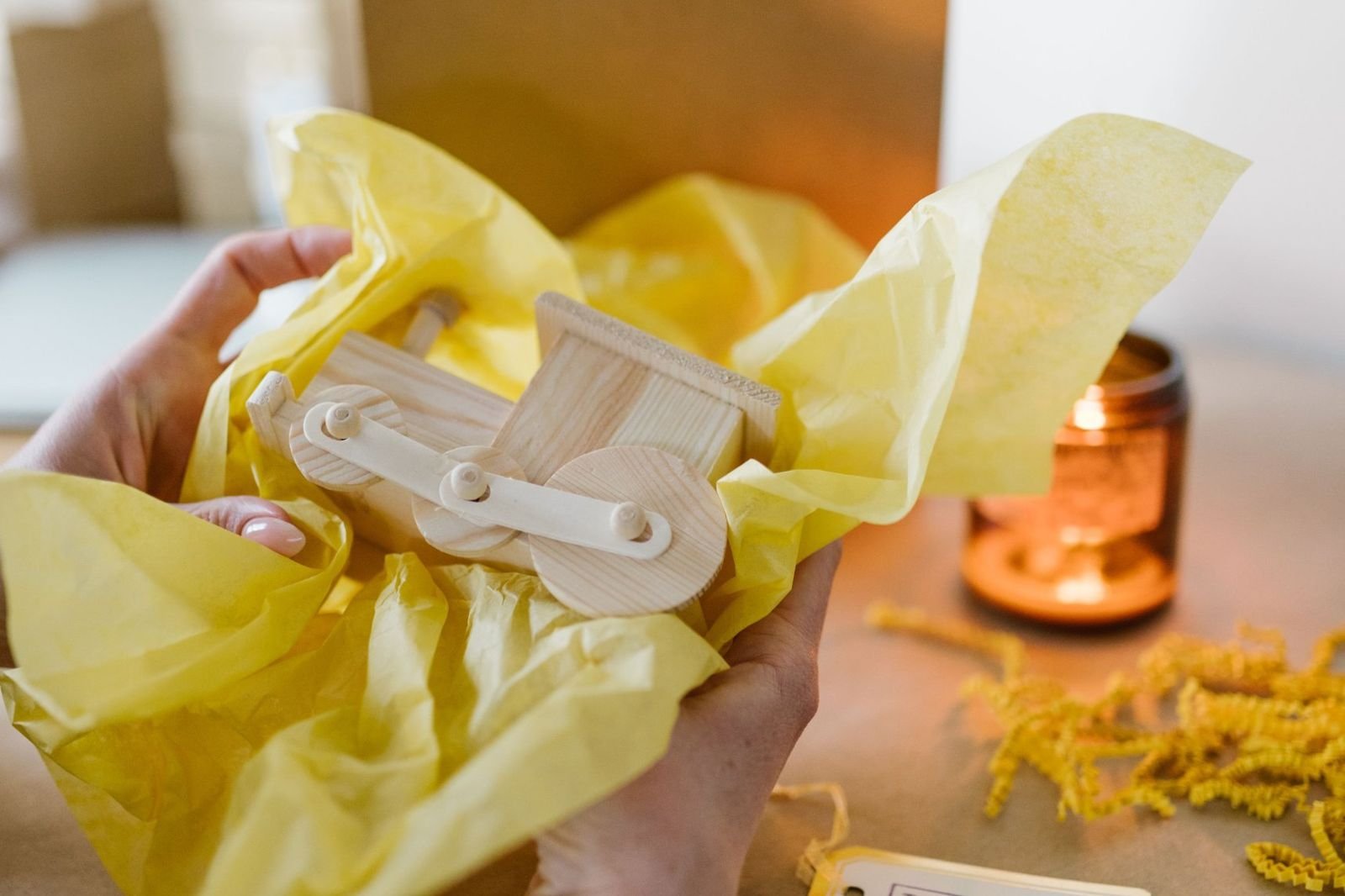
- Big wrapping surprises. Crinkly paper, tape and a watching crowd can be a lot.
A tip that works in many families: wrap simply, in a gift bag or one layer of plain paper, or skip wrapping altogether. You can also show the child a photo of the gift before the big day, so there’s nothing scary about opening it.
Frequently Asked Questions
What is a good sensory gift for an autistic child?
A good sensory gift matches what that child seeks or avoids. A sensory seeker may love a swing, balance board or chew tool. A child who avoids input may prefer noise-cancelling earmuffs, soft lights or quiet fidgets. If you aren’t sure, ask the parent or the child’s OT. Simple, quiet, well-made gifts are usually a safe start.
Are fidget toys good for autistic kids?
Many autistic kids enjoy fidget toys, and some find that keeping their hands busy helps them focus or wait. It really depends on the child. Some prefer quiet squishies, others like stretchy tubes or poppers. Watch for noise, small parts and mouthing. Fidgets also make easy, budget-friendly stocking stuffers for Christmas or class parties.
What should you not buy an autistic child?
Think twice about very loud toys, strong flashing lights, scratchy clothes with tags and “surprise” gifts that disrupt routines. Also skip anything with small parts if the child still mouths objects. It isn’t about a banned list, since every child is different. The safest move is asking what the child already enjoys and what they avoid.
Are weighted blankets safe for kids?
Weighted blankets and other weighted items are not for babies or toddlers, and a child should always be able to move them off on their own. The right weight and use depend on the child, so talk to their occupational therapist before buying. Lighter options like lap pads are a gentler start. Browse our sensory toys shelf for more calming picks.
How do I know if a child is a sensory seeker or avoider?
Watch how they react day to day. Seekers often crash, spin, climb, chew and touch everything. Avoiders may cover their ears, dislike certain clothes or foods, and leave busy rooms. Many kids are a mix, and it can change with mood and tiredness. An OT can help, and the CDC’s autism pages are a good starting point.
You know your child, or the child you’re shopping for, better than any list does. The best sensory gifts for autistic kids are the ones they’ll actually reach for, so pick one good thing and keep the wrapping simple. If you want more ideas, see our full sensory toys shelf.